Termites are quiet. They eat wood from the inside and stay out of sight. By the time you notice, the damage may already be spreading.
Blockpleasure Pest Control is a referral service. We do not treat homes. We connect homeowners in the Palmerton area with independent providers in our network. The provider inspects, explains your options and gives you a written quote. You choose what happens next. Plan around life: tell the provider your schedule, and ask how much of the work happens outside the house.
Think You Have Termites? Start Here
Answer first: get an inspection. Mud tubes, swarming insects and hollow-sounding wood all need a professional look. Termites do not stop on their own.
Request a callback to check provider availability in the Palmerton area.
Get Started
What Blockpleasure Pest Control Does
Blockpleasure Pest Control is a referral service. It does not inspect or treat. It connects you with independent local providers in its network. The provider does the work and sets the price. You see the quote before anything starts.
Why Termites Need Prompt Attention
Termites feed all day, every day. A small colony can be quiet for months. A mature one can damage framing, floors and trim.
The damage is often hidden. It sits behind plaster, paneling and basement walls. That is why a small problem can turn into a repair bill.
Waiting also limits your options. Early on, a provider may only need to treat one area. Later, the job may be bigger.
Know the Warning Signs
Look for these around the house:
- Pencil-width mud tubes on foundation walls
- Winged insects near windows or lights
- Small piles of discarded wings
- Wood that sounds hollow when tapped
- Paint that bubbles or sags for no clear reason
- Doors or windows that suddenly stick
One sign is enough to book an inspection.
Swarmers or Flying Ants?
Both have wings, so people mix them up. Termites have a thick, straight waist and straight antennae. Their wings are about equal in length. Ants have a pinched waist and bent antennae. Save one in a jar if you can. A provider can tell you in seconds.
Check the Basement First
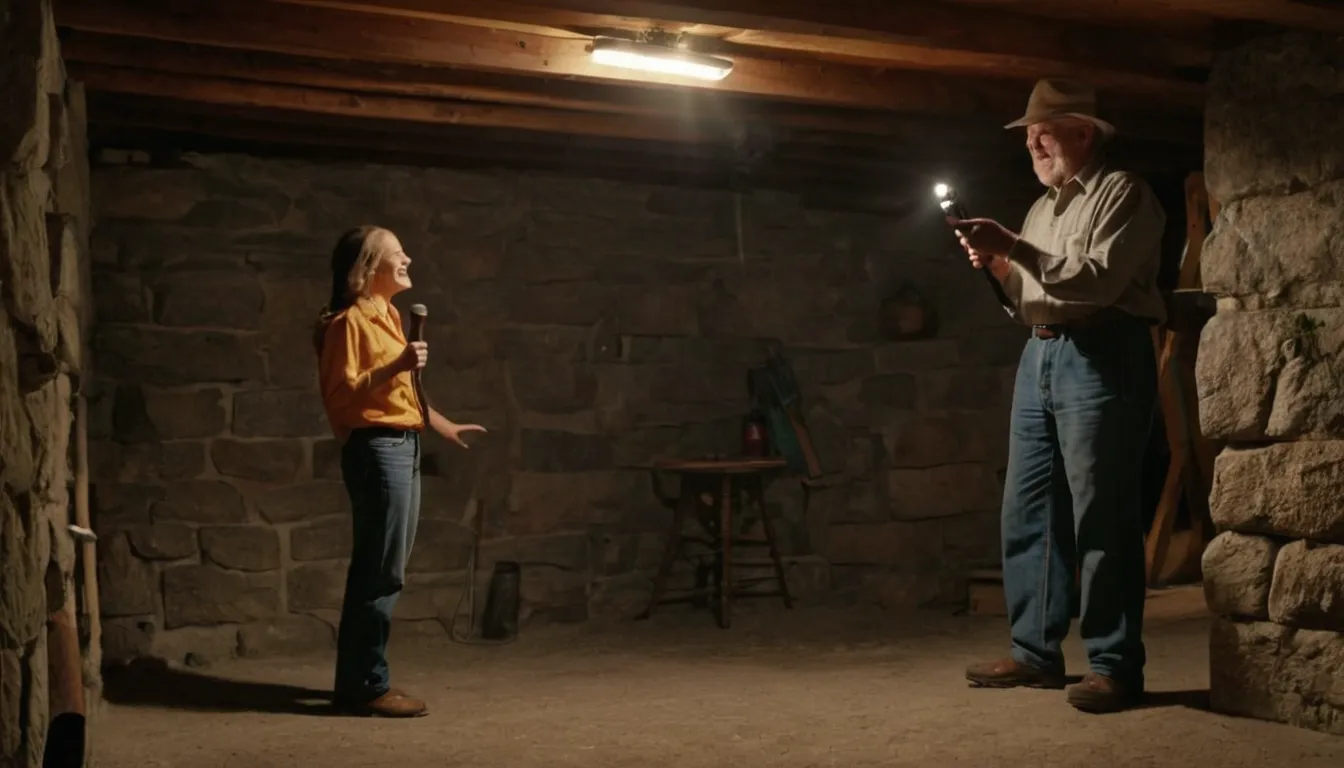
Older homes in our region often have full basements with stone or block foundations. Gaps between stones and cracks in mortar give termites easy paths. Check sill plates, joists and anything wood that touches masonry. Use a flashlight and a screwdriver. Gently probe any wood that looks dark or damp.
Types of Termites
The type matters. It decides the treatment.
Subterranean Termites
These are the most common in cold climates. They live in the soil and travel through mud tubes to reach wood. Freeze-thaw cycles and spring snowmelt can shift soil and open new routes along a foundation. Treatment usually targets the soil around the home.
Drywood and Dampwood Termites
Drywood termites live inside dry wood and need no soil contact. They are less common in the north but can arrive in furniture. Dampwood termites like wet, rotting timber. A leak or a damp crawl space can invite them. Ask the provider which one you have.
How Termite Treatment Works
Most jobs follow the same path. Inspect, choose a method, treat, then check back.
Step One: The Inspection
The provider looks at the foundation, basement, attic and any wood near soil. They may tap, probe and use a moisture meter. You should get a clear report of what they found and where.
Step Two: Picking a Method
There are a few common options:
- Liquid barrier: treated soil around the foundation
- Bait stations: placed in the ground and checked over time
- Wood treatment: applied to infested areas or framing
- Fumigation: for severe drywood cases in some regions
Ask why the provider picked one. Ask what else they considered.
Planning Around Your Day
Busy house? Say so up front. Many treatments happen outside or in the basement. Ask about timing, prep, pets, kids and how long you need to stay out of any area. Good providers will work around your week.
Get Started
Termite Inspections for Home Sales
Buying or selling? Lenders and buyers often ask for a termite inspection report. Older homes and multi-family buildings get asked more often. Book it early. If the provider finds activity, you have time to treat it before closing. Ask what the report covers and how long it stays valid.
Choosing a Termite Provider
Do not pick on price alone. A very low quote may skip steps.
Questions to Ask
- Is the inspection written and itemized?
- What method do you recommend, and why?
- What does the quote include and exclude?
- Is there a renewal or monitoring plan, and what does it cost?
- Can you document damage if I file an insurance claim?
Some policies may cover sudden damage, but termite damage is often excluded. Check your policy.
After Treatment
Follow the provider's notes. Some products need time to work. You may still see a few insects for a short while. Ask what is normal and what means you should call back.
Keep Termites From Coming Back
- Keep soil and mulch away from siding
- Fix leaks and damp spots
- Store firewood off the ground and away from the house
- Clear gutters so water drains away from the foundation
- Book a yearly check
Plan around life: set a reminder once a year.
Ready for Next Steps?
Request an estimate and see your options in writing. There is no obligation to hire anyone.
Get Started
What's Included
Written Inspection
A provider checks your foundation, basement and attic, then explains what they found in plain terms.
Method Options
Learn about barriers, bait stations and wood treatment before you choose a plan.
Clear Quote
Get a written price that lists what is included, so there are no surprises.
Follow-Up Plans
Ask about monitoring and yearly checks so you can catch new activity early.
Typical Termite Treatment Costs
Prices vary by home size, termite type and how far the damage has spread. These are typical U.S. ranges. Always get a written quote before work starts.
| Service | Typical range | Notes |
|---|
| Termite inspection | $75 – $300 | Price varies by provider and home size |
| Liquid soil barrier | $1,200 – $4,000 | Based on foundation length and access |
| Bait station system | $1,500 – $3,500 | Often needs ongoing monitoring |
| Spot treatment for drywood | $250 – $900 | For small, confined areas |
| Whole-structure fumigation | $2,000 – $8,000 | Only for severe drywood cases |
| Annual renewal or monitoring | $100 – $400 | Terms differ, so ask what it covers |
Get Started
How It Works
Call or Request
Request a callback to check provider availability, or send the request form with a few details.
Get Matched
We connect you with an independent provider in the network that serves your area.
Review the Plan
The provider inspects and explains options, timing and price in writing.
You Decide
Hire the provider, ask questions or compare. The choice is yours.
Why Call Blockpleasure Pest Control
Plain Answers, Early
You learn the likely steps and costs before anyone starts, so you can decide calmly.
Local Providers
Independent providers in our network know older homes, stone foundations and local soil.
Low Disruption
Tell the provider your schedule. Many can plan visits around work, school and family life.
No Obligation
Request an estimate and compare. You choose whether to hire.
Other Services