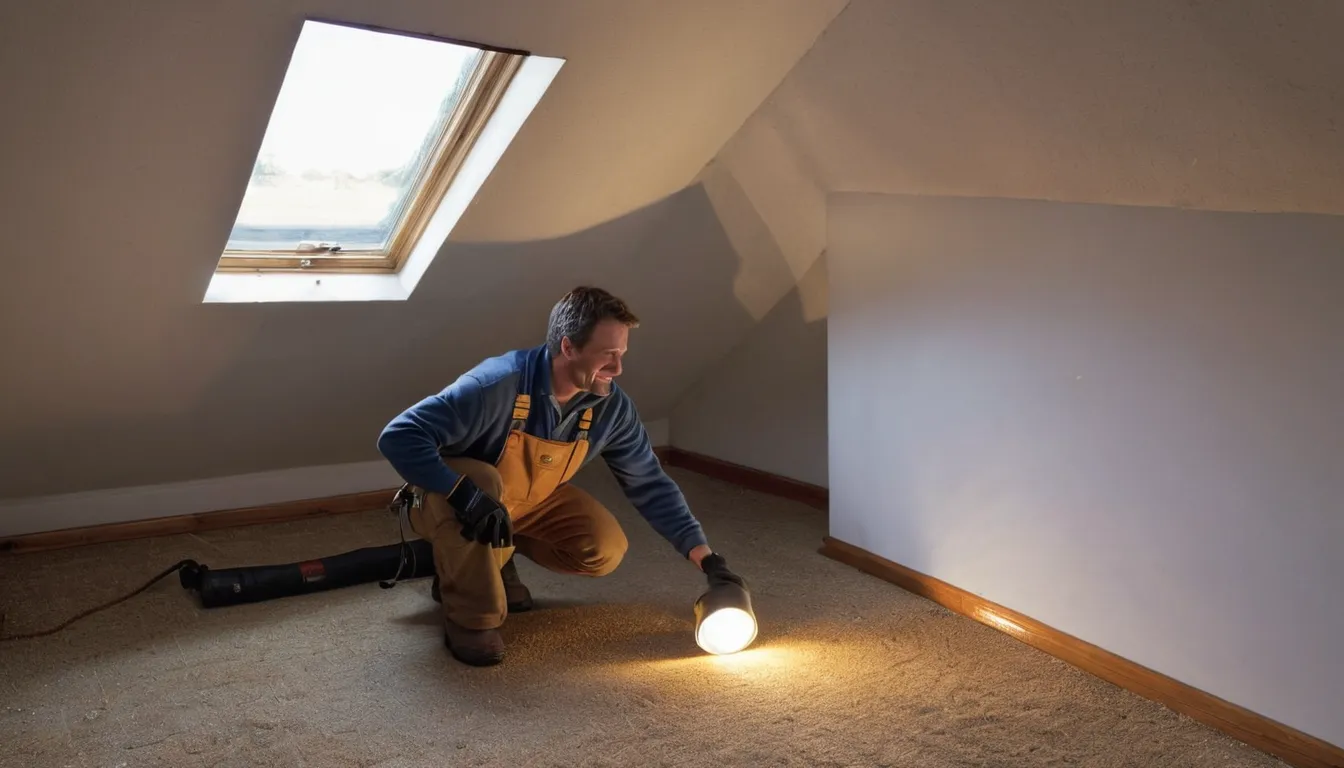
Something is living where it should not be. Maybe you hear it at night. Maybe you found droppings in the basement or chewed wiring in the garage. Either way, act early. Small problems get bigger fast.
Blockpleasure Pest Control is a referral service. We do not do the work. We connect you with independent providers in our network who handle rodents and wildlife in the Palmerton area. A provider inspects, names the animal, and explains the options. Then you decide. You get a plan that fits a busy household, with the steps laid out before anyone starts. Know your options.
Noise in the attic or walls? Start here
Answer first. Something has moved in. Get it identified, get it out, then close the way in. Do those three things in that order.
Don't plug holes yourself yet. You could trap the animal inside. Let a provider look first.
Get Started
Why waiting makes it worse
Mice breed fast. A couple can turn into a crowd in a few months. Rats gnaw wires, pipes and wood. Squirrels and raccoons tear up insulation and soak it with waste.
Damaged wiring is a fire risk. Wet, soiled insulation stops working. Each week adds to the repair list.
Signs to watch for
You may not see the animal. Look for the clues:
- Scratching, thumping or running sounds, often at night
- Droppings near food, in drawers, or along walls
- Chewed boxes, wires, or pipe insulation
- Greasy rub marks along baseboards
- A musty or sharp smell in a closet or attic
- Torn soffits, loose vents, or gaps near the roofline
- Pet behavior: staring or sniffing at a wall
Rodent clues versus larger animals
Small, rice-sized droppings and tiny gnaw marks point to mice. Larger droppings and burrows near the foundation suggest rats. Heavy thumping in daylight can mean squirrels. Loud crashing at night may be a raccoon.
You don't have to guess. A provider can read the signs and confirm.
Common animals providers handle
- Mice and rats
- Squirrels and chipmunks
- Raccoons
- Bats
- Skunks and opossums
- Groundhogs digging under sheds and porches
- Birds nesting in vents
Not every provider takes every animal. Ask up front.
Why cold weather sends them indoors
Cold snowy winters push animals toward warmth. Freeze-thaw cycles crack mortar and open gaps in stone and block foundations. Older homes, full basements and Cape Cod rooflines give them plenty of ways in.
Spring snowmelt and coastal storms can drive them out of burrows and into crawl spaces. Multi-family buildings add shared walls, so one problem can spread.
What to do while you wait
Keep it simple:
- Store food in sealed containers
- Keep pets and kids away from droppings and nests
- Don't handle wildlife, even a baby
- Write down what you hear and where
- Take photos of damage or droppings
Get Started
How removal works
Every job is a little different. Most follow the same path.
Inspection
The provider checks the attic, basement, roofline and foundation. They find the animal, the path in, and the damage.
Removal
Traps, one-way doors or exclusion devices come next. The method depends on the animal and the season.
Sealing
Once the animal is out, the openings get closed with metal, mesh or other durable material. This step stops a repeat visit.
Cleanup
Some jobs need droppings removed and areas sanitized. Heavy contamination may mean new insulation.
Humane handling and local rules
Wildlife rules vary by state and town. Some animals are protected. Some can't be moved far or relocated at all. Baby season can change the plan, since a mother may need to be reunited with her young.
Ask the provider how they handle animals and which local rules apply. Ask whether they hold any license your state requires.
Bats need extra care
Bats are protected in many places. Timing matters. Providers often use exclusion, which lets bats leave but not return, and they may need to avoid certain months. Don't try to seal a bat colony in.
Plan around life
A busy household needs a plan that fits. Tell the provider your work hours, school runs and pets. Ask how many visits to expect, whether you need to be home, and how long each stop takes.
Many jobs need follow-up checks. Get the schedule up front.
Choosing a removal provider
Ask these questions:
- Will you inspect before quoting?
- What method will you use, and why?
- Does the price include sealing entry points?
- Is there a written warranty on the repairs?
- Who handles cleanup and insulation?
Get the quote in writing. Compare it with another if the job is large.
Get Started
Keeping animals out
Prevention is cheaper than a repeat job:
- Seal gaps around pipes, vents and utility lines
- Fix cracked mortar and loose siding
- Cap chimneys and screen attic vents
- Trim branches back from the roof
- Keep firewood and trash away from the house
- Store pet food and birdseed in tight bins
Your next step
Know your options. Then pick one. Request an estimate and a local provider in our network will walk you through what they found and what happens next.
Get Started
What's Included
Inspection and ID
A provider checks the attic, basement and roofline to name the animal and find where it got in.
Removal plan
Traps, one-way doors or exclusion, chosen to fit the animal and the season.
Entry point sealing
Gaps get closed with durable materials so animals can't simply come back.
Cleanup options
Droppings, nesting and soiled insulation can be cleaned up or replaced if the damage is heavy.
What rodent and wildlife work typically costs
Prices vary a lot by animal, home size and how much damage there is. These are typical U.S. ranges only. Always get a written quote before work starts, and ask what is included.
| Item | Typical range | Notes |
|---|
| Inspection | $100 – $300 | Some providers apply it to the job |
| Mouse control program | $200 – $600 | Often includes follow-up visits |
| Rat control | $300 – $900 | Burrows and sewer access can add cost |
| Squirrel or raccoon removal | $300 – $1,000 | Depends on number and access |
| Bat exclusion | $500 – $3,500 | Timing rules and building size matter |
| Sealing entry points | $200 – $1,500 | Roofline work costs more |
Get Started
How It Works
Tell us what you hear
Describe the noises, droppings or damage. Request a callback to check provider availability, or use the request form.
Get matched with a provider
We connect you with an independent provider in our network who handles your kind of animal.
Review the inspection and quote
The provider names the animal, explains the options and gives you a written quote.
Choose a plan that fits your week
Pick the method and the schedule. Ask about follow-up checks and sealing before work starts.
Why Call Blockpleasure Pest Control
Plain answers up front
You hear the likely animal, the options and the next steps before work begins.
Local providers
Independent providers in our network know the older homes and cold-weather problems in your area.
Built for busy homes
Plan visits around work, school and pets, so the disruption stays low.
No obligation
Request an estimate, compare your options, and decide on your own schedule.
Other Services